

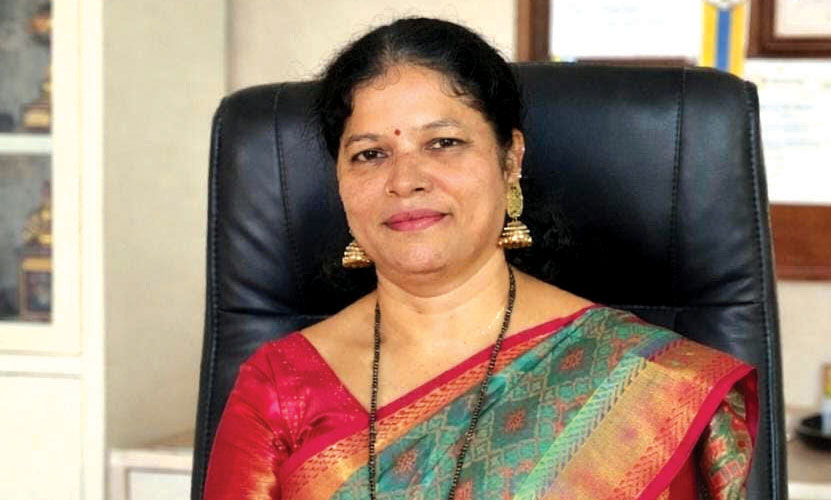
Lokotsav, which began as a small village initiative 25 years ago, has grown into a nationally recognised cultural festival. Conceived by Minister for Tribal Welfare and founder member of Adarsh Yuva Sangh Ramesh Tawadkar, the festival was envisioned as a platform to preserve tribal heritage, village culture and indigenous traditions through music, dance, rituals, food and crafts. Poinguinim sarpanch and Tawadkar’s wife, Savita, who has been part of the journey since the first edition, speaks to Abel Barretto of The Navhind Times about how the festival evolved, revived fading traditions and helped strengthen the local economy in Canacona
What was the first Lokotsav like? How has it evolved from there?
Lokotsav has always been a window for people to experience our tribal culture. Over the years, it has helped preserve traditions, brought communities together and enabled the younger generation to know, learn, appreciate and feel fulfilled in their own culture. Ramesh Tawadkar initiated Lokotsav in 2000 with the aim of preserving ‘ganvpann’, or village culture, and ensuring that traditions are passed down through community engagement. The first Lokotsav was a small gathering. The second year it was held at Ziltawadi–Gaondongrim, spread across courtyards and pandals in front of houses, with just one stage for children’s performances. Competitions such as flower weaving (‘fulam fatti’), mat weaving and basket weaving were organised, and people brought home-cooked traditional food and farm produce. Traditional dances like fugdi, Shigmo festival songs, and songs sung during rituals after childbirth and weddings were also performed.
As enthusiasm grew, the third Lokotsav was organised on a ground at Parve, where participants displayed homemade foods such as ‘voddeo’, millet flour, dry food items and different kinds of ‘bakreo’ cooked on fire. This was the stage when the younger generation began to show keen interest, forming groups for traditional dances and sports. Traditional foods like ‘patolleo’, ‘dhone’ and ‘gondeache udak’ began to receive renewed recognition, and people started appreciating the importance of their own food and cultural practices.
In later editions, Ramesh Tawadkar invited public figures from politics, education, arts and other fields. Late chief minister Manohar Parrikar would always look forward to attending Lokotsav and encouraging participants. Chief Minister Pramod Sawant strongly supports Lokotsav and has said that it aligns with Prime Minister Narendra Modi’s vision of Antyodaya, Sarvodaya and Gramodaya, as well as ‘Vocal for Local’, by boosting the rural economy, promoting local artisans and creating entrepreneurial opportunities for youth.
The aim was to preserve and promote traditional practices, culture, food and sports. Has this been achieved?
Over the years, individuals, groups and women began looking forward to showcasing their culture through Lokotsav. This encouraged community participation and fostered a strong sense of pride among residents. People realised their own potential and the richness of tribal culture. Unused traditional utensils and implements, riddles, folk stories, folk songs, rituals and traditional medicines started coming back into use, carrying valuable knowledge from older generations. One of the biggest achievements of Lokotsav has been that the younger generation recognised and appreciated its own culture, along with the boost it gave to the local economy and tourism.
How has the festival helped boost the local economy and supported traditional artisans and villagers?
There was no looking back after the third Lokotsav. From a few participants in the early years, the festival today has more than 800 individuals, including self-help groups, selling their products. People from all over Goa come to buy authentic local dry food items such as laddoos, chutneys and other healthy, oil-free products. Interaction between buyers and sellers has increased, with contacts being exchanged. Products such as Canacona chillies, seasonal fruits and vegetables, and traditional medicines are now sold throughout the year. Villagers from tribal areas confidently participate in exhibitions like Saras in Margao, Ganesh Chaturthi exhibitions and other SHG platforms. Lokotsav has gradually helped people from remote areas become confident and proud contributors to the idea of a self-reliant Goa.
What kind of support has Lokotsav received?
Lokotsav is organised by Adarsh Yuva Sangh with the support of Shree Balram Education Society. Assistance is received from the Tribal Welfare Department, Art and Culture Department, Sports Department, Youth Affairs, and the Ministries of Culture and Tribal Affairs of the Government of India. With high hopes for the future, Lokotsav is steadily emerging as a cultural and tourist attraction, especially as the venue is located a few kilometres from Partagal Math, which draws thousands of devotees and tourists throughout the year.

