EDITORIAL
As tensions rise, the world watches anxiously for a fragile path to peace
The ongoing US-Israel conflict with Iran has reached an outrageously insane level, with the US President Donald Trump, who took a proactive initiative in attacking the West Asian country some three weeks ago, now finding no means to control it. It is clear now that the perception of the US President of achieving victory within a couple of days has boomeranged on him badly, to say the least.
When the US and Israel launched surprise airstrikes on multiple sites and cities across Iran earlier this year, it came as a big surprise since Iran and the US were in the midst of indirect nuclear negotiations with Oman as the mediator. In fact, just before the strikes began, Oman’s Foreign Minister, Badr Al-Busaidi had said that a “breakthrough” had been reached and Iran had agreed both to never stockpile enriched uranium and to full verification by the International Atomic Energy Agency (IAEA). When the US-Israel assaults killed the Supreme Leader of Iran, Ali Khamenei, along with several other Iranian officials and innocent civilians, it was obvious that the conflict would escalate across multiple fronts in the Middle East.
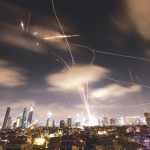
As Iran launched retaliatory drone and missile strikes targeting US allies and interests across the Middle East, including Saudi Arabia, the UAE, Bahrain, Kuwait, Jordan, and Iraq, targeting their energy infrastructure, shipping, and military bases hosting US personnel, the conflict gathered serious dimensions. The growing global economic impact kept the situation fluid and highly uncertain, as the conflicting statements from Washington and Tehran added to the confusion.
The decision of Iran to use its ‘trump card’—the Strait of Hormuz—against the US proved very effective. Iran’s blockage of the Strait for commercial shipping created a major global energy crisis by choking the related trade. This resulted in a threat coming from the US President as regards attacks on the Iranian power plants and energy infrastructure. Iran retaliated by warning of “irreversible destruction” of water infrastructure across Gulf countries, which could spell disaster for these countries largely dependent on the desalination plants for drinking water.
The recent five-day extension of the deadline by the US for Iran to reopen the Strait of Hormuz before facing the attacks on its energy infrastructure thankfully indicates a ceasefire. This break in fighting gives hope for the world. The US President also stated that his country is talking with a “respected” Iranian leader and claimed the Islamic Republic was eager for a deal to end the conflict. Surprisingly, Trump’s turnaround has not been reciprocated by the Iranian authorities; however, it has served to drive down oil prices and jolt stocks.
Prime Minister Narendra Modi, in his recent statement in the Lok Sabha on the crisis in West Asia, termed the situation worrisome. Furthermore, in his Rajya Sabha address Modi admitted that the conflict in West Asia has created a serious energy crisis globally, and his government is trying to procure gas and crude oil from all available sources. His observation, “If the West Asia crisis persists for a longer period, serious consequences are imminent,” clearly points to what India could face in the near future.
The defence experts predict that the five-day extension of the deadline by Trump is an effort to reduce energy prices and buy time to implement his military plans against Iran. In such uncertain times, attempts of countries like Turkey, Egypt, and Oman to de-escalate the conflict is like a desert oasis. Now the future of the planet depends on their success!