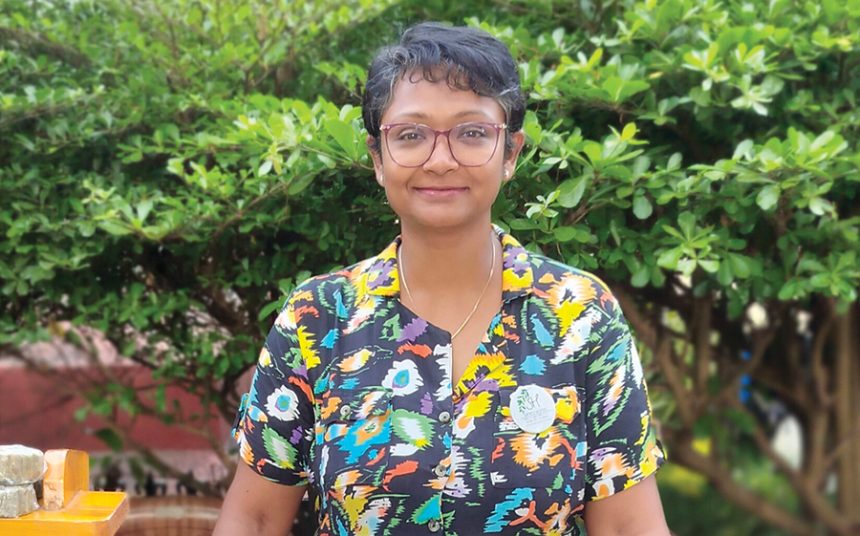
Making everyday waste into something essential, Jyotsna Elley leads Secret Hands as a small-batch brand rooted in thoughtful formulation and sustainability
VINIKA VISWAMBHARAN | NT BUZZ
From something as ordinary as leftover cooking oil, Secret Hands found its beginning. “The idea came from a very simple household concern: What to do with used deep-fried oil at home?” explains Jyotsna Elley. Instead of discarding it, she began exploring ways to repurpose it. That curiosity led her to soap making which soon became a passion as she began to understand the science behind oils, lye, and formulation.
Around the same time, she began making bio enzymes from kitchen waste. “Turning everyday organic scraps into natural cleaning solutions laid the foundation for what Secret Hands stands for today, which is conscious creation and zero-waste living,” she says.
The product range reflects this philosophy. “The core offerings are hot process and cold process artisanal soaps, crafted using fresh, real ingredients like aloe vera, cucumber, papaya, mango, and orange, along with honey and milk,” she says. Goat’s milk and even donkey milk find their way into formulations, chosen for their skin nourishing properties. Alongside these are shampoo bars, face wash buffs, therapeutic oils, hair oils, and serums. “By focusing on solid and concentrated products, we aim to reduce reliance on plastic packaging and water-heavy formulations.”
The Ponda-based brand speaks to a growing community of conscious consumers. “It is for people who are becoming more aware of their choices,” notes Elley. “From those with sensitive skin and hair concerns to travellers looking for low-waste products, the audience is varied but connected by a shared intention.” What sets this brand apart is its commitment to staying small and transparent. “Every decision is intentional. I avoid products like lotions and creams that require plastic packaging,” she says. “Working in small batches allows me to maintain quality and a hands-on approach. There is authenticity in knowing exactly how and where your product is made.”
Goa, she adds, has played a significant role in shaping this journey. “There is a strong culture of local markets and community-driven businesses here. It has allowed me to connect directly with customers.” According to Elley, the state’s openness to alternative lifestyles has also helped the brand grow organically.
Challenges remain particularly with the region’s humidity. “It directly affects handmade products like soaps and shampoo bars,” she explains. “These formulations are sensitive to moisture, so I am constantly adapting processes to maintain consistency.”
Yet, moments of impact make it worthwhile. “When customers come back and share their experiences, it reinforces why I started,” she says. One such moment stands out. “A customer from Dubai ordered our goat’s milk soaps after finding relief from psoriasis and eczema. That kind of trust means everything.” Beyond skincare, Elley is also beginning to explore small-batch food offerings, introducing products like chilli oil and garlic toum, a move inspired by her passion for cooking and a noticeable gap in Goa’s market.
For Elley, success is measured differently. “It is not about mass production or rapid expansion. It is about staying true to sustainability, honesty, and mindful creation.”
She adds, “If the brand can inspire even a small shift towards more conscious living, that is true success.”