Anil Bhattacharya
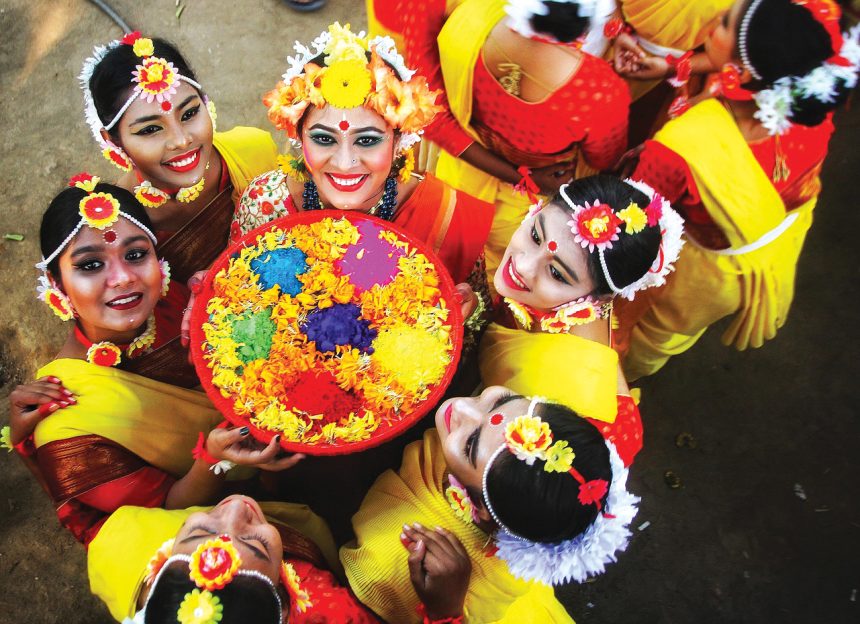
Poila Baisakh (or Pohela Boishakh) marks the first day of the Bengali calendar and is celebrated as the Bengali New Year. It’s a day of vibrant colours, new beginnings, and, of course, incredible food!
While the date often falls on April 14 in Bangladesh (where they follow a modified calendar), in West Bengal and other parts of India, it will be celebrated today, April 15.
This festival is more than just a date on the calendar; it’s a celebration of Bengali identity and heritage. Legend has it that the calendar was popularised by the Mughal Emperor Akbar. Since the Islamic lunar calendar didn’t align with the agricultural harvest cycles, it made tax collection difficult. Akbar introduced a new solar-based calendar so farmers could pay their taxes after the spring harvest.
For the business community, this is observed as Financial New Year. Shopkeepers and traders close their old books and open new ones called Haal Khata. It’s customary for customers to visit shops, settle old debts, and be treated to sweets and a new calendar by the shop owners.
The day often begins with a visit to the temple (especially Kalighat or Dakshineswar) to seek blessings for a prosperous year. People worship Lord Ganesha and Goddess Lakshmi to invite wealth and success.
People wish each other “Shubho Noboborsho”, which means Happy New Year.
Everyone wears new clothes—typically traditional wear like Lal-Paar (red-bordered) sarees for women and Panjabis for men. Families prepare a lavish spread including Luchi-Alur Dom, Cholar Dal, Ilish Maach (Hilsa fish), Kosha Mangsho (mutton curry), and a variety of sweets like Rosogolla and Payesh. In Bangladesh and increasingly in West Bengal, colourful processions called Mangal Shobhajatra are held, featuring large masses.
In an age where our minds are constantly occupied by the “unrest and disagreement” of the world, by coming together for this festival, we perform a collective act of healing. When we celebrate with family and friends, we aren’t just “passing time”—we are recharging our spirits and remembering that human connection is the ultimate antidote to modern anxiety.
(The writer is former national savings commissioner, Government of India and ex vice president of Ganga Zuari Academy)