

PTI
Washington
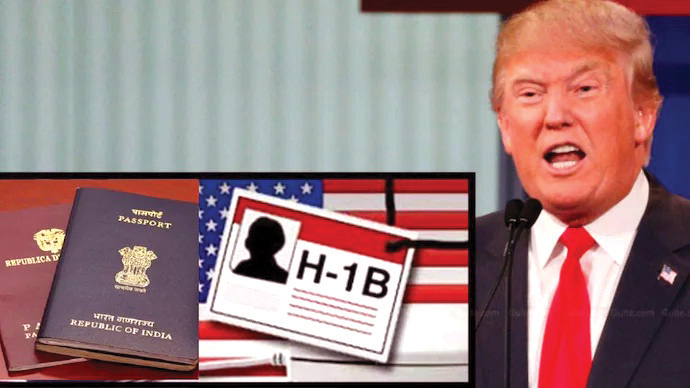
The US on Monday proposed a USD 103,265 fee for all H1-B visa cap-subject applications, including those eligible for the advanced degree exemption, the Department of Homeland Security said.
The new proposal from the DHS came a month after a federal appeals court rejected a plea to stay a district judge’s order overturning the Trump administration plan to charge a USD 1,00,000 fee for H1-B visa applications.
“…DHS proposes to implement the USD 103,265 amount as a separate, additional H-1B fee rather than combining it with the existing H-1B petition fee,” according to a notice published in the Federal Register.
It said the fee would apply only to H-1B cap-subject petitions, including those eligible for the advanced degree exemption, but not to cap-exempt filings.
The proposed fee is specifically to recover the interagency costs described in this rule and having a standalone fee is intended to facilitate tracking, allocation, and reporting of the associated revenue, the DHS said.
For these reasons, DHS proposes to implement the USD 103,265 amount as a separate, additional H-1B fee rather than combining it with the existing H-1B petition fee, the notice said.
“Same number. New wrapper. Same playbook. Throw enough things at the wall to restrict legal immigration and eventually something might stick (this won’t),” said Emily Neumann, a US-based immigration attorney.
H-1B selection is becoming more wage-focused. Another major change is the move towards a wage-weighted selection system. Under the newer system, higher-paid positions can receive greater weight during selection than lower-paid positions.
Data cited in the material shows a significant difference in selection rates during the March 2026 cap season. Senior, Level III candidates had a reported 68% selection rate, compared with 40% for entry-level, Level I candidates.
This could have a major impact on international students graduating from US universities, particularly those looking for their first job after completing their studies.
Entry-level candidates may find the H-1B route more difficult if selection increasingly favours higher-paid positions.
The US Congress set the current annual regular cap for the H-1B category at 65,000, commonly known as the “regular cap”. It also set aside 20,000 additional H1-B visas for workers who hold a master’s degree or higher from a US college, commonly called the Master’s cap.

