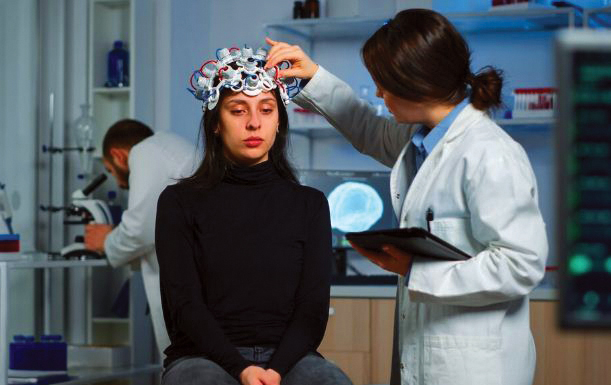
World Brain Day is observed today, July 22. Although a key organ in the human body, brain health is often overlooked until an illness or injury occurs
DR. VAILANKI NAZIRA RAPOSO
Every thought we think, every word we speak, every step we take, and every memory we cherish begins in one extraordinary organ—the brain. It is the command centre of the human body, orchestrating everything from movement and memory to emotions, communication, learning, and decision-making. Despite its remarkable abilities, brain health is often overlooked until illness or injury suddenly changes the course of a person’s life.
Observed annually on July 22, World Brain Day is a global initiative dedicated to raising awareness about neurological health and the importance of timely access to quality care and rehabilitation. This year, the theme ‘Brain Health: Access for All’, emphasises that every individual deserves equitable access to neurological services, regardless of age, location, or socioeconomic status.
Neurological disorders and recovery
Neurological disorders are among the leading causes of disability worldwide. Conditions such as stroke, traumatic brain injury, Parkinson’s disease, epilepsy, multiple sclerosis, dementia, cerebral palsy, brain tumours and other neurological illnesses affect millions of people and their families every year.
While advances in medical science have improved survival rates, many individuals continue to experience long-term physical, cognitive, emotional, and social challenges that affect their independence and quality
of life.
One of the greatest barriers to successful recovery is also delayed recognition and treatment. Warning signs such as sudden weakness or numbness on one side of the body, facial drooping, difficulty speaking, loss of balance, sudden vision problems, severe unexplained headache, or confusion should never be ignored.
Remember the FAST-warning signs of stroke:
F – Face drooping
A – Arm weakness
S – Speech difficulty
T – Time to seek emergency medical care
Rehabilitation matters
Recovery however is not measured solely by medical reports or diagnostic scans—it is measured by a person’s ability to return to meaningful daily life.
Everyday activities such as dressing, bathing, preparing meals, writing, remembering appointments, returning to work or school, and participating in family and community life can become difficult following a neurological condition. Helping individuals regain these abilities is the true essence
of rehabilitation.
For this, a multidisciplinary team—including neurologists, rehabilitation physicians, nurses, occupational therapists, physiotherapists, speech-language pathologists, psychologists, and social workers—works together to maximise recovery and improve quality of life.
The role of occupational therapy
Among these professionals, occupational therapists play a unique role. They assist individuals in relearning essential daily activities such as dressing, bathing, grooming, eating, writing, cooking, and household management. They provide rehabilitation to improve upper limb and lower limb functions, cognitive rehabilitation for memory, attention, problem-solving, and planning difficulties, and recommend assistive devices and environmental modifications to enhance safety and independence at home, school, and
the workplace.
They also educate caregivers, promote energy conservation strategies, facilitate community reintegration, and support individuals in returning to work, education, leisure, and social participation.
Thus, occupational therapy is not merely about helping people recover—it is about restoring independence, confidence, dignity, and participation in everyday life.
Keeping the brain healthy
Protecting brain health begins long before illness occurs. Many neurological conditions can be prevented or their impact reduced through healthy lifestyle choices. Regular physical activity, a balanced diet, quality sleep, effective management of blood pressure, diabetes, and cholesterol, avoiding tobacco and excessive alcohol consumption, using helmets and seat belts, keeping the mind active through lifelong learning, and maintaining meaningful social relationships all contribute to lifelong brain health.
Everyone’s responsibility
Brain health is a shared responsibility. Healthcare professionals, families, educators, employers, policymakers, and communities all play an important role in creating an environment where individuals living with neurological conditions can thrive.
By promoting awareness, encouraging early intervention, reducing stigma, and improving access to rehabilitation services, we can build healthier and more inclusive communities.
(The writer is an occupational therapist at the Department of Orthopaedic Surgery, Goa Medical College & Hospital, Bambolim)