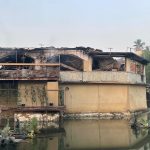
Wake-up call on systemic failure
This is with reference to the Arpora fire tragedy, which claimed the lives of 25 innocent people. What should have been an evening of leisure turned into a nightmare due to the sheer negligence of the club owners, the management, and the concerned authorities. This incident once again exposes the uncomfortable truth about how systems in our country operate—reactive, not proactive; indifferent until tragedy strikes. Even in regions known for tourism, such as Goa, safety continues to be an afterthought. In India, rules are written but rarely implemented with sincerity. Fire audits are completed on paper, compliance certificates are issued without physical verification, and illegal alterations are overlooked for years. Only after a tragedy does the machinery suddenly awakens, announcing enquiry committees, ‘urgent reviews’, and ‘special investigations’. What makes the Arpora tragedy even more concerning is the absence of robust emergency infrastructure. Narrow access roads delayed rescue vehicles, fire exits were reportedly blocked, and staff lacked basic emergency training. These are not isolated failures but symptoms of a deeper malaise—a culture that prioritises profit over people, connections over compliance. The Arpora fire tragedy must serve as a turning point. India urgently needs a nationwide overhaul of safety norms, mandatory annual fire safety audits by independent agencies, strict penalties for violations.
Samir Khan, Mapusa
Man-made tragedy
The terrible fire that broke out at a nightclub in Arpora in Bardez taluka claiming 25 lives has put on display a harsh reality of illegalities of Goa’s nightlife scene. Reportedly, the club operated the business without valid permissions and in gross violation of fire safety norms. To compound the woes, the temporary construction erected with palm leaves made the whole establishment a tinderbox. In fact, coastal belts operate with temporary permissions with the blessing of political bigwigs. The incident exposes a systemic failure in Goa’s licensing and inspection regime. Goa, which depends heavily on tourism revenue, has seen authorities sometimes turning a blind eye to non-compliant businesses by allowing overcrowding, unsafe nightlife and illegal expansions. This creates a culture where rules exist, but enforcement does not. The Goa government needs to reform its regulatory framework, enforce the existing laws without favour or fear and launch an offensive against the corrupt nexus that makes possible the existence of illegal and unsafe venues if it wants to stop such disasters from happening in the future. A business that profits from crowded events must uphold minimum safety obligations.
Gregory Fernandes, Mumbai
DSSS ‘bonanza’
In 2024 beneficiaries of Dayanand Social Security Scheme (DSSS) were identified and grouped as ‘genuine,’ ‘doubtful,’ ‘expired,’ ‘house not traceable,’ and ‘migrated.’ During the first survey in October 2024, it was found that 4,000 of 26,000 beneficiaries aged 80 years and above, were either untraceable or dead, but continued to get the DSSS dole (NT, December 20, 2024). During the second phase, those between 75 and 80 years were vetted. From these two phases the government recovered nearly Rs 50 crore. Later surveys were to cover those from 70-75, 65-70 and 60-65 years. The third phase (70-75 years) was to start in September 2025 followed by the other two, but the surveys have been stopped (NT, December 5, 2025). The reasons cited are the lack of manpower and the census of 2027 that may provide accurate information and hence unnecessary to put extra efforts to carry out a separate survey. Cannot the government recruit people for six-eight months to complete the remaining surveys, using the recovered money? If more fraudulent cases are discovered would the government recover the money with interest? Perhaps, the authorities have an inkling that there are more ineligible people between 60 and 75 years who might be ‘enjoying’ the pension and that it is better not to stir the hornet’s nest.
Sridhar D Iyer, Caranzalem
IndiGo exposed
IndiGo Airlines literally threw flyers under the bus by disrupting their travel plans through inordinate delays resulting from their non-adherence to flight duty timing limitation norms. It looks like clever orchestration to force the government to withdraw the directive and they have been successful as well. It may be a temporary victory for IndiGo, because the government doesn’t take blackmails lightly, there would be repercussions and it will damage the airline in the long run. The whole issue boils down to one simple fact, ticket pricing and surge policies. Frankly the aviation industry is very unscrupulous when it comes to surge pricing, the price differentials are seriously obscene. Routes which are priced at Rs 4,000 sky rockets to Rs 40,000 when the demand is high, cancellation and refund policies in the fine print are ridiculous and seem to be authored by Nigerian scam professionals.
Vinay Dwivedi, Benaulim