AP
Cairo
The US and Iran each fired barrages of missiles Thursday, as the pattern of back-and-forth strikes took hold again and hope dimmed for any quick resolution.
After a brief respite, the risk of a return to all-out war emerged once more, with the fighting threatening to engulf even more countries: Jordan said Thursday it intercepted Iranian missiles for the second consecutive day, while Kuwait said a strike in the northern part of the country killed one person. Also this week, drones caused fires on ships at an Egyptian port, and Saudi Arabia said it came under fire from Iran-backed militias in Iraq.
The spiralling violence underscored the difficulty of winding down a five-month conflict that has sent the price of fuel and other basics soaring, jolted the world economy, and added to concerns about American stockpiles of weapons needed to defend its bases and allies. After an earlier hiatus had given hope that diplomatic efforts were moving forward, there was no public sign of progress.
An Iranian strike hit a Chinese firm’s building in Kuwait on Thursday, severely damaging the structure and killing a worker, Kuwait’s military said, hours after Jordan’s air defences shot down five missiles launched from Iran.
No casualties were reported from Jordan’s interception, Jordan’s state-run Petra news agency said, quoting the spokesman for the country’s armed forces. Both countries are US allies and host American troops.
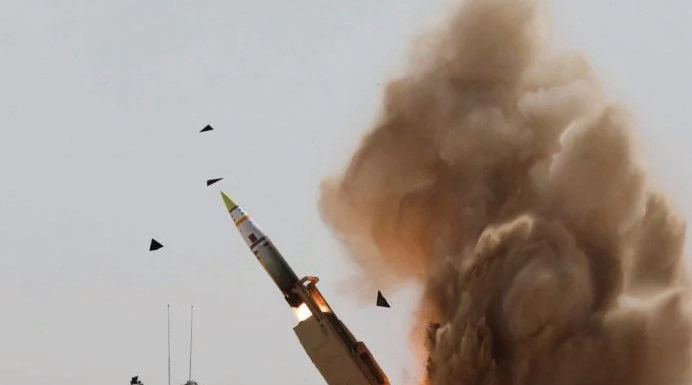
The attacks came after the US military said it completed “a heavy wave of strikes against Iran,” conducted in response to an earlier Iranian missile attack on a US base in Jordan. President Donald Trump vowed to hit Iran “very hard” after it targeted the base.
The military’s Central Command said in a social media post that the US struck “dozens” of targets belonging to Iran’s Revolutionary Guard, including military command centres as well as missile and drone facilities, and coastal surveillance and defence sites.
Iran’s official IRNA news agency said three people were killed and two were wounded in a strike on the island of Qeshm, which lies just off the Iranian mainland in the Strait of Hormuz – a crucial waterway for the world’s energy supplies that has been at the centre of the conflict.
The latest barrage came after the US partnered with Saudi Arabia to strike Iran-backed militias in Iraq, killing at least 20 fighters and six Iranian advisers on Wednesday.
Before the latest eruption, mediators had expressed optimism about bringing the US and Iran back to the negotiating table.
A regional official said Wednesday that mediators are “still trying with both sides” to restore calm and get an interim agreement to end the war back on track. He gave no details on whether progress was being made and spoke on condition of anonymity to discuss the closed-door diplomacy.
Elsewhere, British maritime security firm Ambrey said drone strikes ignited fires on two natural gas vessels at the Egyptian port of Damietta on Wednesday. It was not immediately clear who was responsible for the strikes on a US-owned floating storage facility and a Greek-owned tanker. No injuries were reported.
The office of the Egyptian prime minister said initial investigations showed the fires on the two vessels had been caused by a drone.
Egypt, a close US ally and regional mediator, is one of the only countries in the Middle East to have been spared direct military action during the war. A strike by Iran or its allies, if confirmed, would mark a significant widening of the conflict.
Asked during an Oval Office event if Iran was responsible for the strikes on the vessels, Trump responded: “It’s a little more of the same.”
The Damietta Port Authority said in a statement on Facebook on Thursday that the facility was fully operational.
Since Iran began threatening and firing on ships in the Strait of Hormuz early in the war, the conflict has wreaked havoc on the global economy as energy shipments through the waterway ground to a near halt. Much of the diplomacy around ending the war has focused on reopening the strait, through which 20 per cent of oil and natural gas shipments passed in peacetime.