Tanushree Basnet celebrates and preserves the beauty of traditional pottery through her work
CHRISTINE MACHADO | NT BUZZ
It was in Andretta, near Palampur, Himachal Pradesh that Tanushree Basnet first tried clay wheel throwing and something shifted
within her.
“I watched how potters worked with quiet focus and rhythm. I was struck by how grounding the process felt, hands shaping earth with patience and intention. That moment stayed with me and I felt like I had found something I naturally belonged to,” says Basnet. With roots in Nepal, Basnet hails from Assam and initially worked in the pharmacy field. A desire for a slower, more meaningful creative life led her away from conventional work.
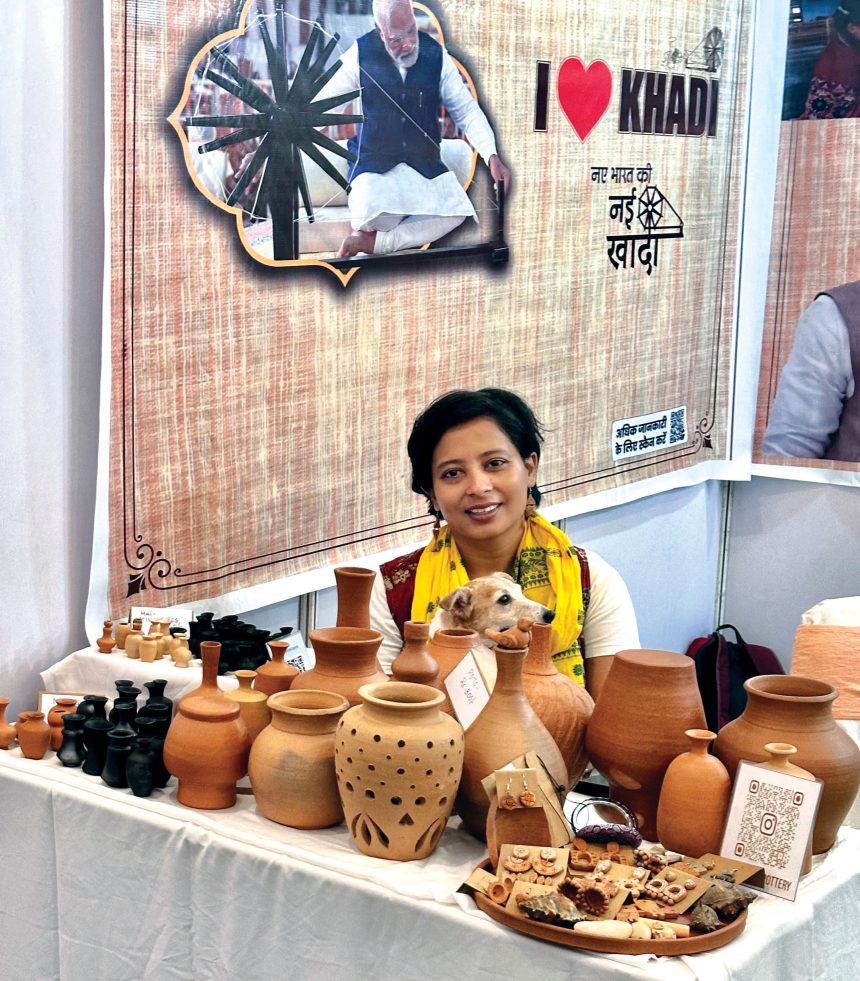
After completing a four-month wheel-throwing course at the Central Village of Pottery Institute, Khanapur, Belgaum, and a 15-day master training programme, Basnet received a potter’s wheel through a government scheme under the Khadi Village Industries Commission. This support enabled her to set up her workspace in Old Goa, Tilottama Pottery, where she offers workshops in wheel throwing, hand building and jewellery making. She also creates pottery items such as vases, tea light holders,
and jewellery.
“My favourite work so far has been jaali-work on terracotta because it challenged my patience and precision,” she shares.
Her products can be found on social media, her website or at pop-ups and flea markets around Goa.
Since starting, Basnet has learned to manage materials, maintain consistency, and balance creativity with the realities of running a workspace. “Maintaining consistent quality, managing firing risks and material costs and finding the right platforms to market and price handcrafted work fairly remain challenges,” she says, adding that promotion requires constant effort.
While handmade product initiatives are growing, Basnet feels there is still a need for greater awareness about the realities of creating handmade works. “I wish people understood the time, skill, and uncertainty behind handmade work. Each piece goes through multiple stages like shaping, drying, firing and finishing and even then, there are risks,” she says. “Handmade is not just about the final product; it carries the maker’s effort, patience and individuality.”
However, Basnet remains committed to her love for pottery. “I want to continue travelling and working with local potters, learning their techniques and experimenting with new forms and patterns,” she says. She also dreams of creating a space that preserves and celebrates traditional pottery. “I want to establish a pottery museum where people can learn about the craft, experience it and connect with its cultural roots,” she adds. “I hope to honour clay as a natural resource and in some way, make the legacy of this craft timeless.”