Shahin Bepari Lambe
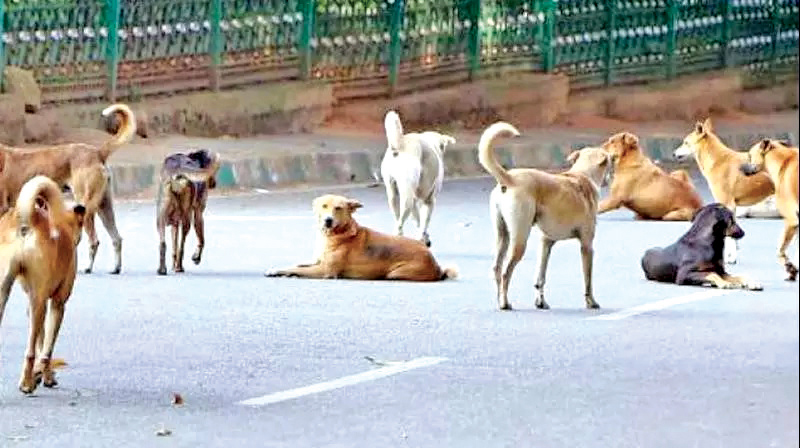
Panaji: A sterilisation gap of nearly 40 to 50% is driving a 10 to 15% annual rise in Goa’s dog population, a government officer said, adding that this is undermining years of sterilisation camps, vaccination programmes and annual drives.
“The major reason for the rise in stray dog population is unsterilised pet dogs. Pet owners abandon puppies from their pet’s litter on the streets,” the officer said.
The officer said that nearly 25,000 sterilisations are carried out every year, but this is far less than required. “The target would require at least 50,000 sterilisations annually for four to five years,” said the officer.
The government provides funding for vaccination and sterilisation, and local bodies are expected to carry the work forward. A grant of Rs 900 to Rs 1,800 per dog is provided for sterilisation, which covers medication, surgical materials and dog catchers, the officer said.
Shweta Sardesai, honorary secretary of Panaji Animal Welfare Society, said sterilisation camps and awareness drives are held regularly across Goa. However, she said the impact on the ground remains limited due to manpower shortages, lack of infrastructure, insufficient veterinary staff, logistical challenges in capturing stray animals and delays in follow-up
operations.
“A very high percentage of the stray dog population must be sterilised continuously over a sustained period for visible and lasting results. The current coverage remains below the required level, leading to continued growth in stray numbers in several areas,” said Sardesai.
Director of education at Mission Rabies Dr Murugan Appupillai said there is a clear gap between requirement and implementation. “Through Mission Rabies, we carry out around 10,000 sterilisations every year, while the government conducts around 10,000 to 15,000,” he said.
He said studies indicate at least 75% sterilisation coverage is required in each area, followed by sustained efforts within a six-month span for visible results.
Animal welfare activist Sanchita Rodrigues said the issue requires a holistic and coordinated approach.
Residents in Panaji said stray dog numbers continue to rise despite repeated drives. “At night and early morning, people are afraid to walk alone at Yog Setu and the Miramar Road because dogs suddenly run behind bikes and pedestrians,” said a citizen Nishi Khandeparkar.