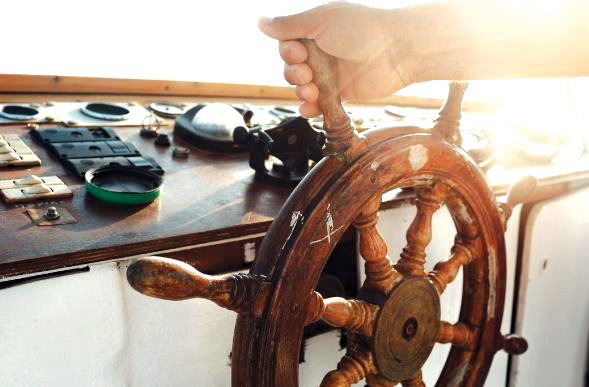
Having recently observed International Seafarers Day on June 25, it is important to celebrate not only the profession, but also recognise the emotional realities that often come with life at sea
GODWIN FERNANDES
In Goa, especially in the coastal villages of the south, almost everyone knows a “Tarvotti”, a local word commonly used for someone who works at sea or on ships.
For years, seafaring has been seen as a proud profession. It brings financial stability, the chance to travel the world, and opportunities that many young people may not easily find on land. Goa, despite its small population, has contributed a remarkably large number of seafarers to the global maritime industry.
But behind this image lies a reality that is less visible, and less often spoken about.
While a seafarer may get to travel across oceans, visit different countries, and live an adventurous life, life at sea can slowly become emotionally exhausting. Days are shaped by long working hours, unpredictable weather, sleep disruptions, changing time zones, and very little personal space or social interaction.
Over time, the isolation begins to build quietly in the background. At the same time, many are carrying worries from home like ageing parents and family responsibilities, missing important milestones, or the guilt of not being present during illness, emergencies, or loss back home.
Unlike most professions where work ends with leaving the workplace, seafarers live within their workplace for months at a time. The ship becomes both their office and their home. Over time, this continuous exposure can make it harder to unwind, contributing to stress, fatigue, and a sense of being constantly “on duty”.
It can take a toll, not just physically, but mentally. And unlike physical illness or injury, emotional distress is not always visible. A person may continue doing their job while silently struggling with loneliness, anxiety, irritability, exhaustion, or low mood. Sometimes these feelings become so normalised that they are simply accepted as “part of the job”. Others may cope in unhealthy ways, including excessive caffeine, alcohol, or other substance use.
Research suggests that seafarers have also reported experiencing suicidal thoughts, and such cases saw a rise during the COVID-19 pandemic. Director of Mental Wellness Practices at VIKAND, Martin Hedman, while talking about the stigma surrounding suicide among seafarers, says, “Ten years ago, it was like talking to a wall when we started to discuss suicide rates.”
Many times, seafarers are expected to recognise their own struggles and seek help on their own. But real change will only happen when the industry itself takes responsibility for creating more supportive environments where mental health concerns are recognised and addressed early.
Highlighting the importance of creating spaces where seafarers can openly discuss their mental health, senior psychologist at Sangath, Miriam Sequeira explains, “Talking about mental health struggles of seafarers is very important. Working long hours in high-stress situations away from their loved ones puts them at higher risk of developing mental health problems. If they don’t talk about it, the risk of using alcohol or other negative coping mechanisms increases.”
Seeking help for mental health issues in general has been a concern due to several factors, including stigma, lack of awareness about mental health conditions, limited access to services, fear of discrimination or judgement, financial barriers, and concerns around confidentiality. This can be even more challenging for seafarers, as individuals working at sea are often expected to remain fit at all times. Because of this, some may fear being seen as unable to cope with pressure, worry about future contracts or career opportunities, or hesitate to openly speak about emotional struggles out of concern that it may affect how they are viewed professionally.
So how do we create a more supportive environment for seafarers?
A good starting point is simply helping people recognise that mental health matters, and emotional struggles are not something to be ashamed of. Seafarers should feel comfortable noticing changes in their own emotions, behaviour, sleep, or energy levels without dismissing them as “just part of the job”. Sometimes even small moments of self-reflection asking, “why have I been feeling this way lately?” or “Am I coping differently than before?”, can help people recognise when they may need support.
The people and systems around seafarers also have an important role to play. Recruiters, medical teams, supervisors, colleagues, and shipping companies all interact with seafarers at different stages of their journey. The way these systems respond can make a big difference in whether someone feels safe speaking openly about their struggles.
Some companies have already started taking positive steps by offering counselling services, confidential helplines, better internet access to stay connected with family, longer leave period, and improved rest time onboard. But support is still uneven, and sometimes the smaller everyday things matter just as much. These include decent food, opportunities for social interactions, respectful leadership, and creating an environment where people feel valued rather than isolated.
Support from families and communities back home is equally important. Seafarers may spend only a short time at home between the contracts, but feeling understood, emotionally supported, and listened to during that time can make a meaningful difference to their well-being.
(The writer is research group manager, Addictions and related-Research Group (ARG), Sangath, Goa)