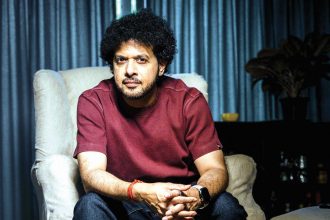
National Organ Donation Day was observed on August 3 to honour the families who chose to donate the organs of their loved ones after brain death and to encourage more people to pledge their organs
GABRIEL PEREIRA
One deceased organ donor can save up to eight lives through organ donation and improve the lives of more than 50 people through tissue donation.
Presently, across India, the demand for organs continues to exceed the availability of donors. Although the country has made remarkable progress in recent years, with nearly 20,019 organ transplants in India in 2025, thousands of patients continue to wait for a second chance at life. India now ranks among the leading countries in the world for the number of organ transplants performed annually, with states such as Tamil Nadu, Telangana, Maharashtra, Karnataka, and Gujarat setting benchmarks in deceased organ donation.
The Goa scenario
Goa has also made encouraging progress. At present, around 80 patients in Goa are waiting for life-saving organ transplants, primarily for kidneys. While Goa has successfully facilitated deceased organ donations in recent years, only kidney and cornea transplants are currently performed within the state. Other retrieved organs such as the liver, heart, lungs, and pancreas are allocated through the national allocation system to transplant centres outside Goa.
One of the biggest challenges in Goa is not the willingness of people to help—it is the lack of understanding about brain death. Many people believe that anyone who dies at home or from natural causes can become an organ donor. However, organs suitable for transplantation can generally be donated only after a patient has been certified brain dead in a hospital while being maintained on a ventilator. Brain death is a complete and irreversible loss of all brain function and is legally recognised as death under the Transplantation of Human Organs and Tissues Act. After obtaining the family’s consent, organs can be retrieved in a carefully coordinated medical process, while tissue donation, such as corneas, may still be possible after cardiac death in
suitable circumstances.
A national network
India’s organ donation programme functions through a network comprising NOTTO (National Organ and Tissue Transplant Organisation) at the national level, ROTTO (Regional Organ and Tissue Transplant Organisation) at the regional level, and SOTTO (State Organ and Tissue Transplant Organisation) in each state.
These organisations coordinate organ allocation, maintain waiting lists, ensure transparency and promote awareness across the country.
In Goa, the State Organ and Tissue Transplant Organisation (SOTTO) works with hospitals, transplant coordinators and medical professionals to facilitate organ retrieval and allocation whenever a deceased donation takes place.
For nearly three decades, the MOHAN (Multi Organ Hope and Advocacy Network) Foundation has been instrumental in organ donation awareness in India. It has trained transplant coordinators, educated healthcare professionals, counselled donor families, organised awareness campaigns, developed educational resources and supported governments and hospitals in strengthening deceased organ donation programmes.
To learn more about organ donation, call MOHAN Foundation’s toll-free Organ Donation Helpline at 1800 103 7100 or visit www.mohanfoundation.org.
(The writer is an organ donation ambassador, MOHAN Foundation)