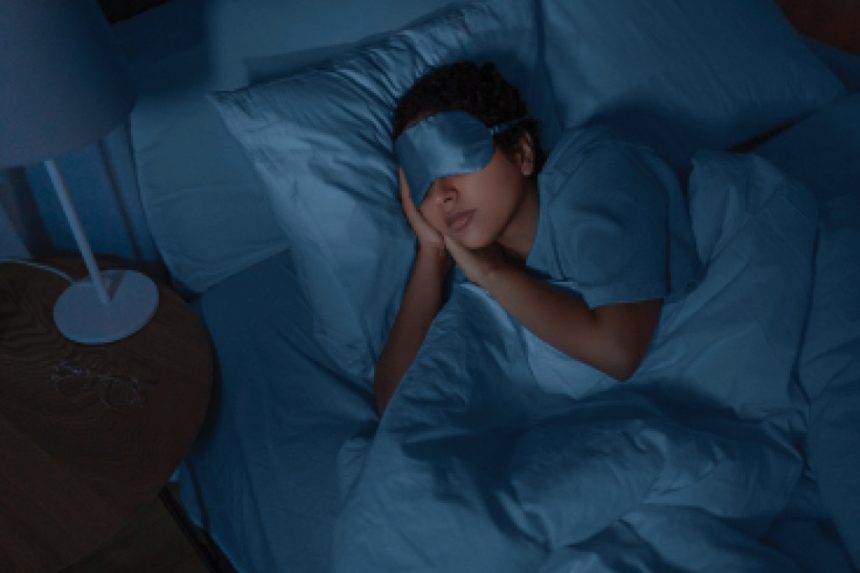
With World Sleep Day having been observed recently on March 13, NT NETWORK examines why it is important to wake up to the far reaching effects of sleep deficiency
KALYANI JHA | NT NETWORK
Every year, the world observes World Sleep Day, organised by World Sleep Society, to highlight the importance of healthy sleep and raise awareness about sleep disorders. The theme for 2026, ‘Sleep Well, Live Better,’ highlights the profound impact that sleep has on physical health, mental performance, and longevity.
The global “sleep pandemic”
Today, getting the recommended number of hours of sleep is often ignored for many reasons. In fact, experts increasingly refer to modern sleep deprivation as a “sleep pandemic”. Research led by teams from Peking University and Army Medical University has shown that over the past three decades, millions of people sleep less than the recommended seven–nine hours per night.
The science of sleep
This growing sleep crisis has serious health consequences states MD (Preventive and Social Medicine), Health Check Department, Manipal Hospital, Dona Paula, Dr. Mithila Kudchadkar. These include increased risk of cardiovascular diseases, weakened immune system, impaired cognitive function and concentration, mood disorders such as depression and anxiety, poor motor coordination, and increased risk of accidents and injuries.
She states that many people experience noticeable warning signs when sleep is inadequate. “Common symptoms include persistent daytime fatigue, irritability and mood swings, difficulty in concentrating, memory lapses, increased appetite and weight gain. These symptoms are often dismissed as routine stress but may actually indicate chronic sleep deprivation,” she says.
Indeed, a research from University of Rochester which was published in World Economic Forum (2014), states that sleep helps the brain remove toxic proteins produced during daily neural activity. Without adequate sleep, these toxins accumulate and impair cognitive function. Even a single night of poor sleep can reduce memory recall and concentration. According to Worldmetrics, studies show that sleep loss can reduce alertness by 32% and impair memory recall by about 20%.
Studies by Advancing Sleep Health Worldwide also show that during sleep, the body performs several vital functions like cellular repair and tissue regeneration, consolidation of memory and learning, regulation of hormones, strengthening of the immune system, and restoration of energy levels.
Heart to heart on sleep
One of the most important and emerging areas of sleep research is its relationship with heart health.
According to consultant, Interventional Cardiology, Manipal Hospital, Dona Paula, Dr. Jyoti Kusnur, proper sleep plays a critical role in maintaining cardiovascular health.
“Modern lifestyle factors such as work-from-home culture, constant online availability, and excessive screen time have blurred the boundaries between work and rest, often resulting in sleep deprivation,” she says.
Dr. Kusnur highlights that the body’s circadian rhythm—the natural sleep-wake cycle aligned with daylight is disturbed today. “Our ancestors slept with sunset and woke with sunrise,” she notes. Today, irregular sleep schedules disrupt this natural rhythm.
She says that when sleep patterns are disturbed stress hormones such as catecholamines increase, blood vessel linings can become damaged, blood sugar and cholesterol levels rise, and obesity risk increases. “These physiological changes significantly raise the risk of heart attacks and cardiovascular disease,” she warns.
Another study published in the Journal of Epidemiology & Community Health found that irregular sleep schedules can raise the risk of heart attack and stroke by 26%, even when total sleep duration is adequate.
When sleep deprivation persists for years, the effects on the cardiovascular system can be severe.
“Stress hormones triggered by sleep deprivation may also cause abnormally high heart rates, which over time can weaken the heart and cause breathlessness,” says the cardiologist.
The mental health connection
Lack of sleep also affects brain chemistry and emotional regulation, increasing vulnerability to mental health disorders.
Dr. Kudchadkar notes that improving sleep can significantly benefit several conditions, including mild depression, anxiety disorders, chronic pain conditions such asfibromyalgia, migraines and headaches, immune system dysfunction, and digestive issues.
“Studies show that patients with sleep apnea often experience better blood pressure control once their sleep improves. While sleep alone may not cure medical conditions, it is an essential component of effective treatment and recovery,” she.
Why people neglect sleep
Dr. Kudchadkar observes that despite its importance, sleep is frequently neglected in modern society when people prioritise work, social activities, and digital entertainment.
“Late-night screen exposure, shift work, and irregular schedules, stress, excess caffeine intake, lack of awareness about sleep hygiene contribute in the poor sleep pattern today,” she says.
Technology has also played a role. “Smartphones, tablets, and laptops emit blue light, which suppresses melatonin—the hormone responsible for regulating sleep cycles,” says Kudchadkar.
Another reason for this, the doctor suggests, is that public awareness about sleep health, especially among the younger generation, remains limited. She recommends that public education campaigns, social media initiatives, workshops on sleep hygiene, workplace wellness programs, and sleep education in schools are some approaches that can be adopted to improve awareness. She also emphasises small actions like sharing sleep tips among friends and family or setting reminders for bedtime for those who need that push to sleep.
Reading the signs
Dr. Kusnur advises paying attention to symptoms such as persistent fatigue despite adequate rest, morning headaches, difficulty waking up, and feeling stressed upon waking as early signs of a poor sleep pattern.
“Sleep should feel restful,” she says. “If you wake up feeling stressed or tired, further medical evaluation may be necessary.” To help restore natural sleep rhythms, she recommends keeping mobile phones away from the bed, avoiding the temptation to scroll at night and spending time in natural environments such as open skies, trees, and the sea, which have calming effects on the brain.
The rise of sleep disorders
Among the growing number of sleep disorders linked to poor sleep, pulmonologist and sleep specialist Dr. Nupur Kulkarni Prabhudesai states that insomnia and obstructive sleep apnea are among the most common.
“Insomnia is the inability to fall asleep or the inability to maintain the state of sleep. Sometimes, it can be a combination of both. Insomnia can happen due to various reasons. It could be psychiatric disorder, or due to medicine use. It can coexist with a lot of other disorders as well,” she explains.
Obstructive Sleep Apnea (OSA) meanwhile is often called the ‘silent epidemic’, she says. According to her globally, nearly 15–20% of people are estimated to have some form of obstructive sleep apnea (OSA). That translates to almost one billion people worldwide.
According to Prabhudesai , in India, the numbers are also striking. A study conducted by doctors at the All India Institute of Medical Sciences (AIIMS) estimated that around 11% of Indians may have sleep apnea.
Sleep apnea is far more than just loud snoring. If left untreated, it can have long-term and sometimes devastating consequences.
“People with severe sleep deprivation are far more likely to experience accidents, especially motor vehicle accidents or workplace injuries,” explains Dr. Prabhudesai . Fatigue and sudden sleep episodes can cause individuals to fall asleep while driving or operating heavy machinery, leading to dangerous situations.
She says, over time, untreated sleep apnea can also affect several vital systems in the body. Patients may face a higher risk of diabetes, hypertension (high blood pressure), high cholesterol (dyslipidaemia), heart attacks and cardiac arrest, and heart rhythm disturbances (arrhythmias), and stroke. Dr. Prabhudesai notes that many young patients presenting with heart problems or stroke often reveal a long history of undiagnosed sleep apnea.
She adds that sleep also plays a critical role in memory consolidation.
“Poor sleep quality over time can lead to memory problems and may increase the risk of conditions such as dementia or Alzheimer’s disease,” she says.
Some research has even suggested a possible link between sleep apnea and certain cancers, though this area continues to be studied, she says.
Sleep apnea also affects relationships and quality of life. Snoring — one of the most common symptoms — can disturb the sleep of a partner, says Dr. Prabhudesai .
Certain groups require special attention. Sleep apnea during pregnancy is more common than previously believed. Pregnant women with sleep apnea may face a higher risk of gestational diabetes, high cholesterol, and complications such as preterm labour.
Sleep apnea is also often overlooked in children because symptoms are subtle. Instead of appearing sleepy during the day, children may become hyperactive, struggle with concentration, or show poor weight gain. These issues can affect academic performance and overall development.
The role of sleep studies
To accurately diagnose sleep disorders, doctors rely on a test called Polysomnography, commonly known as a sleep study. During the test, several parameters are monitored, including brain waves by electroencephalogram (EEG) to identify sleep stages, eye movements and muscle activity, airflow through the nose and mouth, snoring intensity and frequency, heart rate and rhythm (ECG), breathing effort, blood oxygen levels, and limb movements during sleep.
“Sleep normally occurs in cycles — progressing through stages 1, 2, 3 and REM (rapid eye movement) sleep. A sleep study helps determine whether a person is achieving healthy sleep cycles and adequate deep sleep. There are several levels of sleep studies, but Level 1 and Level 2 studies are considered the most comprehensive because they measure all sleep parameters, including brain activity,” explains Dr. Prabhudesai.
Currently tests like polysomnography, portable polysomnography, titration studies and higher levels of sleep studies like MSLT (Multiple Sleep Latency Test) and Actigraphy, are available at Prabhudesai’s Respicare Chest, Allergy and Sleep Clinic Comba, Margao.
Treatment for sleep disorders
Treatment depends on the type of sleep disorder, the patient’s age and health status, and whether multiple sleep conditions are present.
For obstructive sleep apnea, the most effective and recommended treatment is Continuous Positive Airway Pressure (CPAP) therapy. The device delivers pressurised air through a mask while the patient sleeps, keeping the airway open and preventing oxygen levels from dropping.
Other treatment options may include mandibular advancement devices that reposition the jaw, surgical procedures in selected cases, weight management and lifestyle changes, and medications in specific situations, says Dr. Prabhudesai.
For insomnia, a common sleep disorder, the preferred long-term treatment is Cognitive Behavioural Therapy for Insomnia (CBT-I). This behavioural therapy helps patients identify and change thoughts and habits that interfere with healthy sleep.
“CBT-I helps patients unlearn behaviours that disrupt sleep and adopt healthier sleep patterns,” explains Dr. Prabhudesai.
Technology and sleep tracking
Today, many people use smart watches, sleep mats and sleep-tracking apps to monitor sleep patterns. While these tools can provide useful insights, Dr. Prabhudesai advises caution. “Wearables can indicate that sleep may not be normal, but they are not as accurate as clinical sleep studies for diagnosing sleep disorders,” she says.
New technologies, she says, are always tested against the gold standards and slowly they are improving. Some are in the process of getting or have got USFA approvals. “In India, a lot of them are being used like Aura rings, Gabbit ring, watches, Fitbits, etc,” she says. “But to be clinically evaluated, we need to improve performance and in terms of accuracy they need to improve. They may not measure all the variables of sleep that we would want to assess, especially in patients of sleep apnea.”
Regardless of whether someone has a diagnosed sleep disorder, maintaining good sleep hygiene is essential.
“Sleep is a biological necessity for physical and mental health,” emphasises Dr. Prabhudesai. “Recognising sleep problems early and seeking timely treatment can improve quality of life and prevent serious health complications.”