DR. SANDESH B. DESSAI
In India, various agencies and institutions organise competitive exams to help students enter top colleges/institutes or secure government jobs. Some to name are: after Class 10 and 12, JEE Main and Advanced, NEET-UG, NDA or CLAT; and after graduation, we have UPSC Civil Services, SSC CGL, IBPS PO/SBI PO, GATE, NEET-PG, GPSC, etc. To crack these exams, one has to rely either on coaching classes or on good libraries nearby.
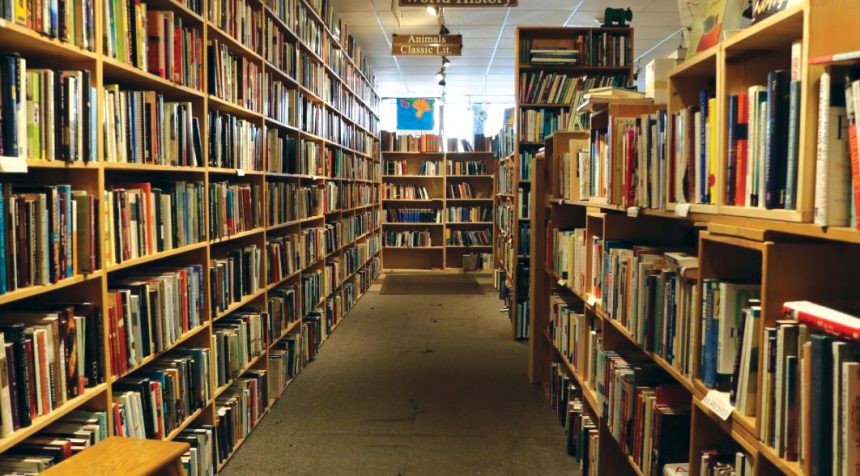
All colleges have good libraries with both physical and online collections. The Goa University too has both online and physical collections. As the only state university, it receives substantial funding from the Goa Government for its collection development. Besides this, Goa has one state central library located at Patto, Panaji; a district library at Navelim; town libraries at Cuncolim, Quepem, and Sanquelim; seven taluka libraries; and 155 village/NGO libraries. These libraries are also well equipped with modern facilities and a good collection available to their readers.
But most examinees, due to a lack of knowledge, hesitate to visit libraries. If these students are motivated by their respective institutions at the school/college level to obtain membership in any of these libraries, then these libraries will definitely take the initiative to fulfill the needs of such readers. In fact, ready-made books for competitive exams are readily available in abundance in the market, which can be procured and kept ready if there is a gap in the collection. If you want to study a particular subject in depth and understand the thoughts and opinions of various authors on it, there is a high possibility of finding many books on the same subject by various authors in the same library.
Libraries are also the only institutions that provide primary, secondary and tertiary reading materials to the readers. Primary sources are original study materials created by students/researchers during their studies. They are the original documents, imaginative work, literature published during that particular period, letters, written diaries, documents related to institutions or government, primary periodicals, patents, standards, artifacts, etc. Secondary sources are those that place primary sources into context. They summarise, interpret or analyse the information found in primary sources. Examples include textbooks, reference books, reviews, biographies, and collections of essays. Tertiary sources collect and summarise information from primary and secondary sources and present it in an easy-to-understand manner. These include guides to literature,
directories, etc.
To use the library effectively for your exam preparation, it is important to choose the right one, depending on the subject of your exam. The selected library should have a good collection of reference books, competitive exam books and newspapers. Know the library’s terms and conditions when registering as a member. Some well-equipped libraries provide study/research cubicles for such students. This helps the students to concentrate and stay focused. Choose a quiet and less-distracted place in the library. Have a place for a long period. One has to set a schedule and goals for library usage. Set aside a specific number of hours each day for studying from your busy schedule. Start your preparation with mini reading habits (10-minute break after 50 minutes of study). This will give you time to memorise the material you studied. Understand the arrangement and location of different collections of the library. Be a friend of the library staff. They will recognise your enthusiasm in studies and take the initiative to help you .
Try to solve old question papers available in the library related to your subject/topic. This should be done sitting in the library because it is possible to verify the truth via books and other reference materials. Although it is possible today with the help of an internet-enabled mobile phone, books are more reliable for information. All the libraries subscribe to various newspapers, which are important sources of current affairs. Reading different newspapers strengthens your understanding of the subject you are interested in. Prepare notes on important news and summarise them for your reference. Making small notes/cards while reading will help you to review them for examination purposes during the latter stage.
Today’s libraries provide internet access to users and subscribe to many databases and e-resources, either for purchase or free of charge. The best example is One Nation One Subscription (ONOS), provided to the University Libraries by the Central Government under the Viksit Bharat Abhiyan programme, and the National Digital Library of India (NDLI), both of which are provided free of cost. Also, participate in workshops, conferences, group study/discussion, etc., organised by the library.
Once you have finished your task, prepare a revision plan. Use a timer, highlighters, notebooks, and mobile phones for short periods. Copying/scanning papers and notes within the limits of fair use will make it easier to read when you have time. At the same time, respect copyright and library rules. Take breaks when needed, drink enough water, and take a short walk outside.
Consistency and quality are important components. The library is a useful tool, but its effectiveness depends on your planning and discipline. Meet those who have successfully used the library and get their opinions, to give you better direction and boost your confidence.
(The writer is university librarian, Goa University, Taleigao)