

Abdul Wahab Khan
Panaji
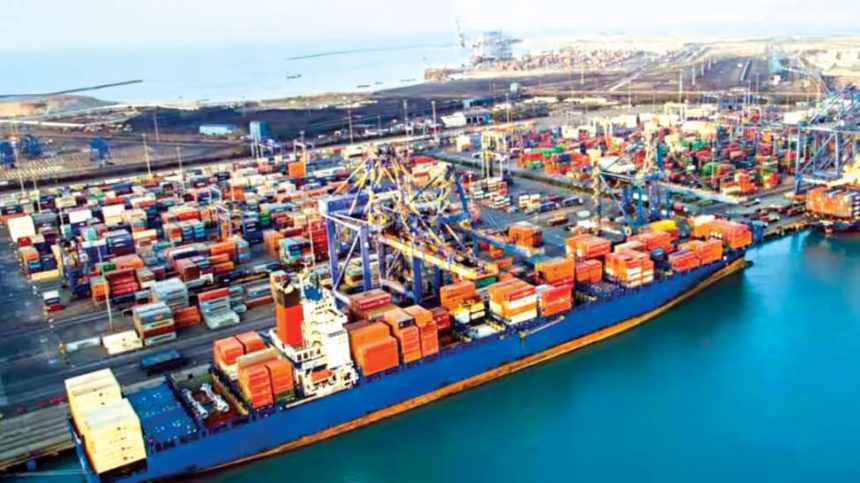
The Goa State Pollution Control Board (GSPCB) has awarded a contract to the National Institute of Occupational Health, Ahmedabad, to conduct a health impact assessment of communities living around the Mormugao Port Authority, with the study scheduled to span two and a half years.
The study will focus on residents of Vasco town and nearby port areas and will examine possible long-term health effects linked to environmental exposure in the vicinity of port-related activities.
The assessment is intended to provide a scientific basis for future regulatory and public health interventions.
“The study was initiated following repeated instances of the Air Quality Index in Vasco remaining in the satisfactory to moderate range,” said a senior GSPCB official, adding that while air quality readings do not consistently fall in the poor category, prolonged exposure over several years requires closer examination.
The study will assess the prevalence of obstructive and restrictive respiratory abnormalities among coal-handling workers as well as residents living near the port. Biological samples will also be analysed to estimate the presence of heavy metals associated with coal handling and related industrial activities. In addition, the study will document socio-demographic profiles, general health status, healthcare-seeking behaviour and health-related expenditure, and will compare findings with a control population from a non-exposed area. Based on the findings, the institute will recommend measures to improve health outcomes.
“Each selected individual would undergo health screening as part of the assessment,” he said.
The assessment has been designed as a cross-sectional observational study with a comparison group, covering port areas and surrounding residential zones in Vasco. Data collection will include health examinations, surveys and laboratory investigations.
The initiative follows a source apportionment study commissioned by the GSPCB in December 2021 through IIT Bombay, which identified road
dust, port-related activities, biomass burning, marine aerosols and vehicular emissions as major contributors to particulate pollution in Vasco.
“The earlier study identified pollution sources, while the present study aims to assess their impact on people,” said the
official.

