

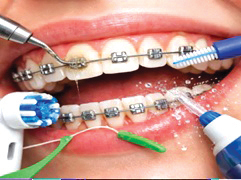
Ahead of National Oral Hygiene Day on August 1, the writer shares the secret to a healthy mouth and brighter smile
DR. GAURI SARDESSAI
National Oral Hygiene Day is celebrated on August 1 every year to commemorate the birth anniversary of Dr. G.B. Shankwalkar, the pioneer in periodontology. This day serves as a reminder to bring awareness and also to stress on the importance of maintaining optimal oral hygiene thereby preventing a number of oral and systemic diseases.
Right from childhood we have all been brushing our teeth for a variety of reasons, which includes feeling refreshed and confident, having a nice smile, along with getting rid of the stinky smell as soon as we roll out of our bed.
Good brushing habits
Everyone wants healthy teeth, and brushing is a huge part of making that happen.
When it comes to having good brushing habits, it’s not just about how, it’s also about when. Brushing after breakfast removes overnight plaque and bacteria, along with food particles while, brushing after dinner eliminates food particles, preventing gum disease and tooth decay.
But have you wondered when the right time to brush your teeth is? Some people think that brushing their teeth right after eating is the right thing to do. While there is some merit to this school of thought, studies have reported that it’s better to wait for 30 minutes after consuming meals and brushing for a couple of reasons:
Enamel protection: Acids from food and drink soften the enamel (outer covering) on your teeth. Brushing immediately after a meal can rub acids and bacteria into the softened enamel, increasing the risk of erosion and damage over time.
Allow saliva to work: This waiting period of 30 minutes allows your saliva to neutralise acids, naturally restore the mouth’s pH balance, wash away food particles, and re-harden your enamel.
Instead of brushing immediately you can instead rinse your mouth with water. This can help rinse away food debris and some of the acid. You can also use a water flosser.
Can food left on and between your teeth lead to tooth decay? The answer is ‘yes’. When you eat, plaque (a sticky, white biofilm) forms on your teeth. This plaque contains organisms. According to the Indian Dental Association if you don’t brush and get rid of this plaque build-up regularly these organisms feed on food and turn it into acid, which attacks tooth enamel and causes tooth decay. Also, plaque overtime can harden into tartar resulting in inflammation, and if untreated result in gum disease. While brushing cannot remove tartar, it can remove plaque.
Why brush at night
Your oral health is an intricate part of your overall well-being. Throughout the day, your mouth encounters a variety of foods, each leaving behind particles and debris on your teeth. Some of these particles (such as sugary foods) are particularly notorious in sticking to your teeth and being attacked by germs.
And a lot happens in your mouth while you sleep. The very same germs are amongst the fastest reproducing organisms in the world, hence by night time they have grown back by multi-folds and are ready to act. Our saliva flow rate drops to almost zero during night time when we’re asleep, which impacts the clearance of food debris and remineralisation of teeth. These overnight hours can become an opportunity for trouble. Thus, night brushing is a crucial part of your routine.
Interdental cleansing
Many people neglect one critical part of their oral hygiene routine: cleaning of interdental space. Unlike brushing, which cleans the large chewing surfaces of the teeth, the interdental space being tightly enclosed between the teeth, remains uncleaned. Interdental cleaning focuses on removing debris and plaque from between the teeth and below the gum line, thereby preventing dental caries, gingivitis/periodontitis.
Interdental aids include:
Dental floss: According to the American Dental Association (ADA), interdental cleaners such as floss play a vital role in removing plaque and debris from areas that a toothbrush can’t reach. It is ideal for people with tightly spaced teeth, as well as to clean spaces between the bridge and the gums or the abutment teeth and around implants
It is better to floss before brushing, as this dislodges plaque and food particles between your teeth, making it easier for your toothbrush to reach and remove the remaining debris and creating more space for the fluoride from your toothpaste to penetrate and strengthen these surfaces.
Interdental brushes: These are more effective for cleaning larger gaps between teeth and for patients with braces, implants, or periodontitis.
Water flossers: These can be more effective than string floss for reducing gingival bleeding and are suitable for cleaning teeth, bridges as well as implants.
Oral rinses
Using an antimicrobial mouthwash helps to reduce bacterial growth and prevent gum diseases. It maintains the oral health in turn increasing the health of abutment teeth and the bridge.
Dietary considerations
Sticky, hard, or sugary food can contribute to tooth decay and gum diseases as well as damage or dislodge the dental bridge. Opt for a balanced diet rich in nutrients to support oral health and avoid sticky, hard or sugary food.
Oral hygiene and braces
Once you have braces put on, it can create additional challenges for your normal tooth care routine. Aside from taking up extra space in your mouth, braces create extra hard to reach spaces and gaps near teeth where food, plaque and bacteria like to hide making your gums bleed. If you don’t keep your teeth clean, you may find when your braces come off that your teeth are full of cavities or have started to develop white marks.
There are specialised toothbrushes which facilitates removal of food debris above and below braces.
Caring for dentures
Even though your denture teeth are false, it’s still very important to clean them. The best way to clean your dentures is to soak it daily in a specialised denture cleanser and gently brush all surfaces with soap water, using a toothbrush specialised for dentures.
Apart from brushing our teeth we also need to brush our tongue with appropriate tongue cleaner. And while excellent home care is essential, it cannot replace the thoroughness of a professional dental hygiene appointment. Regular visits to a periodontist play a vital role in the long-term success of your teeth and implants. Patients with systemic considerations like diabetes too should be particularly vigilant as they may be at a higher risk for complications related to gum care.
Commit to your daily oral habits for a lifetime of healthy gums and strong teeth.
(The writer is a professor at the Department of Periodontitis, Goa Dental College and Hospital, Bambolim)

