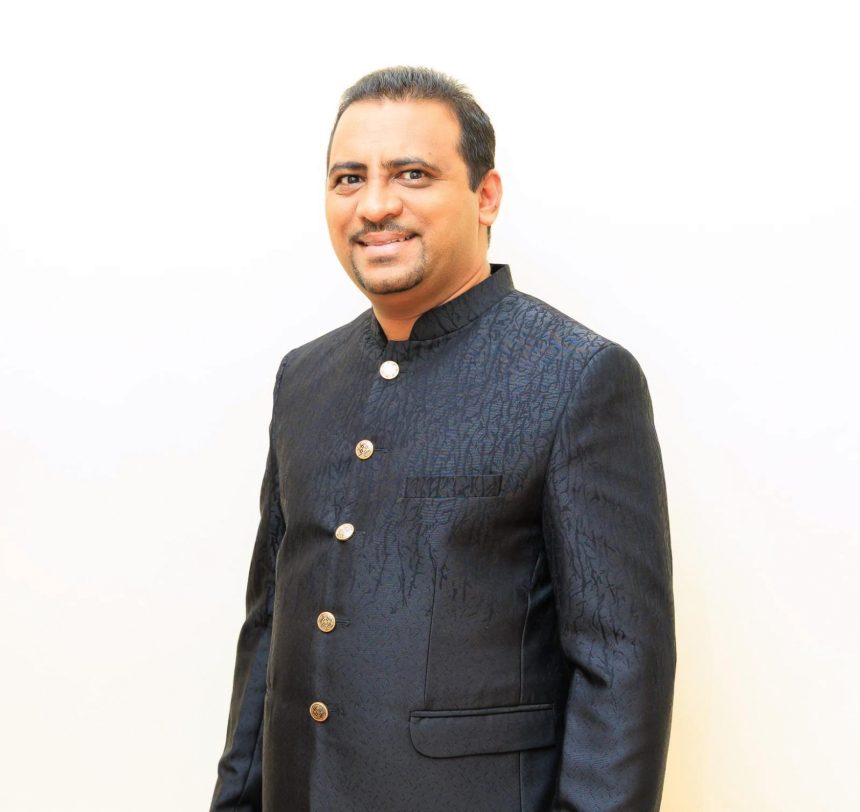
With a focus on young writers, research support, and online archives, Fr. Myron Jeson Barreto begins his DKA presidential tenure with a practical roadmap to make Romi Konkani more accessible and future ready
VINIKA VISWAMBHARAN NT BUZZ
At the helm of the Dalgado Konkani Akademi now is a man who has long worked quietly within its corridors rather than outside them. Recently elected president, Fr. Myron Jeson Barreto has for many years been editing journals, mentoring writers, and building Romi Konkani literature from the ground up.
“I am humbly blessed to be the president,” he says. “The top priority will be promotion of Konkani literature in schools, colleges, and among the people of Goa.”
His first year roadmap is already sketched out. “We want to publish a Romi Konkani chronological book of different genres, a revised Sangati guide for writing in Romi, and a pictorial dictionary. At the same time, we will continue the good work started by former presidents. I will try my best to organise literary and cultural days that promote the language and culture of Goa.”
Much of his focus is on younger voices who often stand at the edge of the literary ecosystem without access or support. “The Akademi always supports and encourages Konkani speakers and creators,” he says. “Through ‘Kombri Yeuzonn’, young writers who wish to publish their first book get help. We also purchase books written in Romi Konkani. This year we will conduct competitions, talks, certificate cources, guidance sessions and research opportunities. We are planning a conference for youth promoting literature and culture.”
For established writers, he points to a web of schemes that range from publication grants to translation and documentation support. “Whether someone is writing children’s literature, doing research or preserving older texts, there is assistance. Our duty is to make sure no good work is left unpublished.”
Barreto is equally aware that in today’s digital world, literature cannot remain bound to shelves. “We want to upload Romi Konkani works on Wikipedia, record programmes for YouTube, and build an online dictionary. All our activities will reach people through social media,” he says.
Institutional partnerships form another plank. The Akademi has signed memorandums with colleges and plans more collaborations. “Students must feel that Konkani is not only heritage but opportunity. Literary evaluations and workshops will help them improve their writing skills.”
Funding remains a challenge, but he stays pragmatic. “Government grants support us, and our members work selflessly. Sustainability comes from commitment and careful use of resources.”
In the long standing script debate, Barreto is measured but firm. “We are not against any script. We want Konkani to grow in Romi just as it grows in Devanagari. But Romi script deserves justice and recognition. We want to work unitedly, while ensuring fairness.”