As Miskut Jar prepares to present its new art exhibition this Saturday, the founders tell NT BUZZ
why they believe Panaji needs more cultural events that inspire civic pride
CHRISTINE MACHADO
NT BUZZ
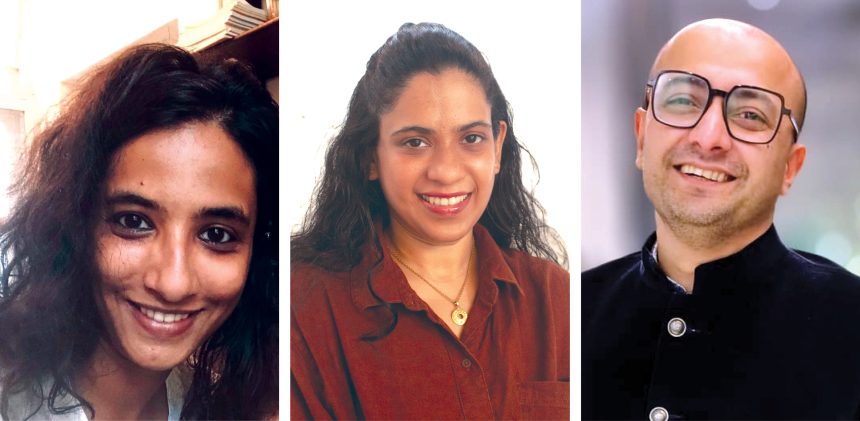
As Panaji sees new developments, increased tourism and evolving neighbourhoods, The Miskut Jar is focusing on the need for cultural spaces in the city. Founded in 2025 by Araddhya Mehtta (who works in social and human development), visual designer Alisha Coelho Pereira and Abhijit Patnaik (who has worked in various fields like government and public space, journalism, and strategy), the voluntary collective organises events that bring artists and
audiences together.
“With rapid changes in the city, there is a risk of isolated enclaves and a loss of neighbourly trust. Community-rooted cultural programming is a necessary urban counterweight,” says Mehtta.
While Panaji hosts major events such as IFFI and the Serendipity Arts Festival, Mehtta believes the city also needs regular cultural engagement throughout the year.
“Without sustained, year-round programming, such mega events risk operating as temporary pop-ups isolated from local daily life,” she says, adding that they aim to bridge this gap through grounded initiatives that support the local artistic ecosystem while strengthening the city’s social fabric.
Since its formation, The Miskut Jar has organised a series of intimate events, each attended by around 45 to 75 people with local and global artistes from Germany, France, Cuba, and folk musicians from Rajasthan.
Ask why this name was chosen and she shares, “Every pickle jar holds generations of stories and community flavour. In every neighbourhood these stories wait to be shared; passed down through songs and Sunday dinners. We’re gathering stories from everywhere; performances that reflect the vibrant and changing landscape of Goa.”
The founders have so far developed programmes independently, using their professional experience and networks. Their long-term aim is to establish a permanent cultural institution in Panaji. However, the search for a suitable space has been challenging due to rising rental costs. Mehtta says, “It is a tricky balance between delivering a cultural vision for the city and sustaining
that financially.”
According to her, cultural spaces in Panaji are under threat. And the question is whether the city allows for such initiatives to land on a more permanent basis. “And yet there is a yearning for greater cultural awakening among Panaji’s residents,” she believes. “They want to reclaim spaces for people and the public – and build a city where it’s not just going to spend money on restaurants and cafes but in places where meaningful connections can form.”
Beyond getting artistes to perform and exhibit, they also hope to offer residency programmes for cultural exchange and
learning.