DEEPIKA RATHOD
In the quest for holistic health and well-being, many of you might have often come across buzzwords like ‘free radicals’, ‘cholesterol’, and ‘Medium-Chain Triglycerides’ (MCTs). These terms can be confusing, but understanding their roles in our bodies is vital.
Let’s start with free radicals, those molecular troublemakers. Imagine a molecule with an unstable outer shell, equipped with only one electron instead of the usual pair. This instability compels the molecule to seek out healthy counterparts and steal electrons, rendering them unstable as well.
Now, with so many unstable cells, a healthy body, armed with antioxidants and aided by exercise, can fend off these free radicals. However, certain factors exacerbate the production of free radicals in our bodies, including poor lifestyle habits, alcohol abuse, smoking, and tobacco use, wherein even antioxidant-rich diets cannot always counteract the damage.
As we age, contend with heart disease, or face candida overgrowth, our bodies produce more free radicals. These molecules contribute to cellular membrane damage and increased inflammation.
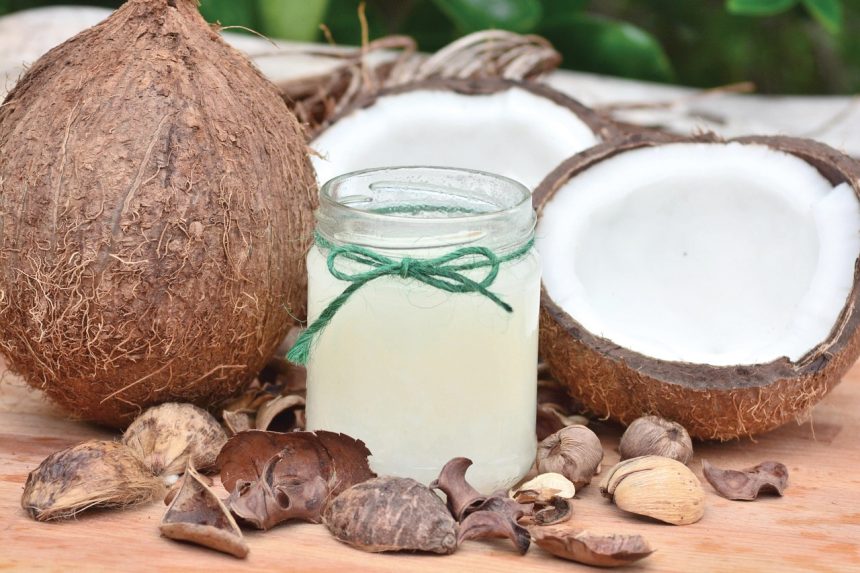
Now, changing one’s lifestyle and removing bad habits or free radical-producing triggers is very important, but there is one more superfood that comes to our rescue. That is MCTs, found in coconut oil and ghee, which possess a unique ability to repair cell membranes. These cell membranes are crucial for cellular function, but they can fall victim to inflammation and free radical damage.
As mentioned earlier, lifestyle changes and exercise play a significant role in maintaining heart health by reducing inflammation. However, introducing MCTs into your diet can complement these efforts. MCTs, abundant in coconut oil, have been consumed for generations in Pacific and tropical regions. Most South Indian meals are prepared using coconut in some form. What sets MCTs apart is that they do not require the pancreas for digestion. This means they can directly provide energy to cells, even in the presence of diseases such as H. pylori infections or herpes.
MCTs can be particularly beneficial for those with high triglycerides, which often result from a sedentary lifestyle and a high-carbohydrate diet. These healthy fats also boost liver function and metabolism, aiding weight loss and thyroid regulation. Unlike refined oils that can suppress thyroid function, MCTs may support healthy metabolic activity.
Individuals with skin conditions such as eczema and psoriasis may find relief by using coconut oil instead of lotions. Although it might temporarily exacerbate symptoms, MCTs can ultimately help the skin produce more fatty acids.
Even those with oily skin can benefit from MCTs. Incorporating ghee or coconut oil into the diet can help regulate sebaceous gland activity, reducing excess oil production.
Weight-loss enthusiasts might be familiar with the concept of bulletproof coffee, which combines coffee with MCTs. However, this trend has received mixed reviews. A more effective approach involves consuming one tablespoon of coconut oil, or a piece of fruit with a tablespoon of coconut oil, about 30 minutes before a workout. This strategy may help prevent a rise in triglyceride levels that can occur when MCTs are consumed without exercise.
Saturated fats such as MCTs are crucial for overall health. MCTs produce ketones that cross the blood-brain barrier, providing the brain with a readily available source of energy. This has promising implications for conditions such as Alzheimer’s disease, dementia, Parkinson’s disease, and autism. When considering the use of MCTs, the quality of the oil matters. Cold-pressed coconut oil, rich in MCTs, is a valuable addition to a health-conscious diet. Remember, a balanced lifestyle and diet are the cornerstones of long-lasting health and well-being.
(The writer is chief nutrition Officer (CNO) and lifestyle expert with Luke Coutinho Holistic Healing Systems (LCHHS))