Home-cooked food is often considered to be a better and a healthier option as compared to restaurant and fast food. While this may be true in most cases, certain cooking practises can turn otherwise healthy ingredients into an unhealthy meal. If you want to make sure that your family eats nutritious meals, be aware of these 5 mistakes that many of us make while cooking:
1. Washing and storing cut vegetables and fruits: They are packed with water soluble B complex vitamins and vitamin C. These vitamins are greatly concentrated just below the skins of the fruits and vegetables and get leached into the water used for washing and soaking especially if these processes are done after peeling and cutting. Fruits should be cut just before eating and those with edible skins such as apples, pears, chickoos, should be eaten unpeeled after proper washing.
2. Discarding the water after cooking rice or boiling vegetables or pulses: Vegetables, pulses and milk are good sources of B complex vitamins. When vegetables or pulses or rice particularly white rice are boiled, some of these vitamins get leached in the water and if this water is discarded, there is a loss of B-complex vitamins. Similarly, the whey that is drained from cottage cheese (paneer) is also rich
in B-vitamins.
To minimize this loss, vegetables should be steamed using little or no water. Rice should be cooked by the absorption method or in the pressure cooker. Whey obtained during paneer making can be used to knead dough, prepare curry, dal or soup.
3. Reheating oils used for deep frying: Deep frying is an unhealthy cooking method as it increases the fat content of the food, which in turn can lead to weight gain, high blood cholesterol levels and obesity. Most of the time people tend to repeatedly reheat and reuse the oil used for deep frying. This is a wrong practise as this can cause the oil to break down, forming toxic compounds that are irritating to the digestive system and possibly cancer causing. To avoid wastage of oil after deep frying, the leftover oil can be strained and used for seasoning (fodni) or shallow frying.
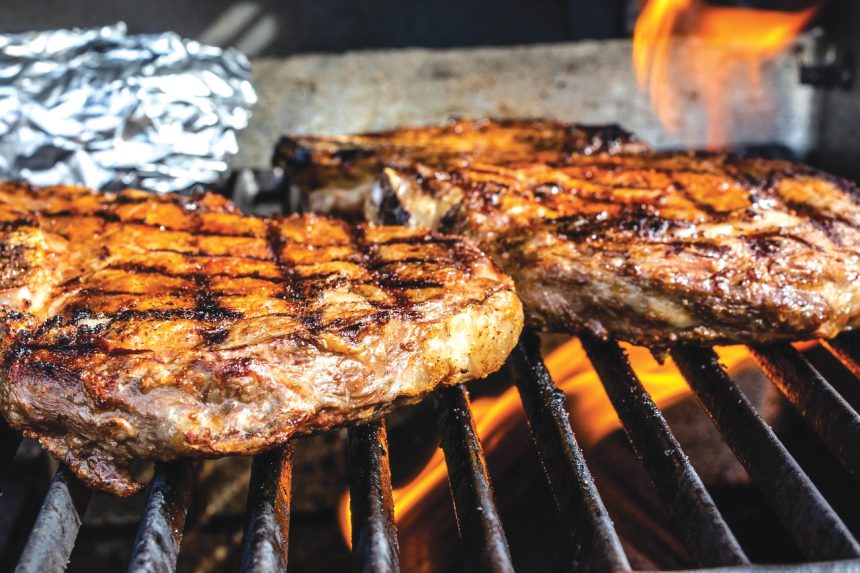
4. Charring foods during barbequeing: Although grilling of meats on a barbeque or in a tandoor are considered as healthy cooking methods, they can increase the risk of developing cancer if proper precautions are not taken. When the fat from the meat drips onto hot coal or stones, they form carcinogenic compounds like Polycyclic Aromatic Hydrocarbons (PAHs) which gets deposited on foods by the smoke or by flame-ups that tend to char the food. When meat is cooked at high temperatures, creatine, a compound in muscle meats, reacts with amino acids to produce another class of compounds called Heterocyclic Amines (HCAs) that are carcinogenic. Here are some tips to reduce the formation of these carcinogens during barbequing:
Marinade the meat or poultry for at least 30 minutes before grilling as it reduces the formation of HCAs.
Partially steam the marinated meat or poultry before grilling to reduce the cooking time.
Serve the grilled food along with green salad seasoned with lemon or fresh coriander and mint chutney. These foods are rich in phytochemicals that help counteract the effects of eating charred food.
5. Using the wrong cookware in a microwave oven: Cooking foods in a microwave oven is a good way to preserve nutrients as the cooking time is very short. But using the wrong type of cookware, particularly using plastic and melamine bowls, plates and containers that are not labelled as ‘Microwave-Safe’ can make food toxic as such plastics can warp and melt in a microwave oven causing harmful chemicals to migrate into the food. Hence only microwave-safe cookware should be used when cooking or reheating food in
a microwave oven.
(The writer is a consultant nutritionist and author
with 27 years of experience, practicing at Panaji.)